
How Long Does the Dental Implant Process Take?

"In most cases, the answer for many patients is three to nine months. At Modern Dentistry of New England, we map the dental implant timeline around your health, your bone, and your comfort. Some visits feel simple, while healing takes the most time. We will explain each step so you know what happens next, why it matters, and how we help your new smile last."
- Dr. Gabr, Modern Dentistry of New England — over a decade of dental experience.
If you're thinking about dental implants , you probably want a clear timeline. You may have a missing tooth, a damaged tooth, or several teeth that make chewing harder than it should be. You may also wonder how many appointments you'll need before your smile feels complete again.
The dental implant procedure can feel easier when you understand the order of visits. At Modern Dentistry of New England in Bristol, CT, we guide you through the dental implant process. Dental implants are planned for strength, comfort, and long-term function. Dental implants also help keep nearby teeth from doing extra work.
Dr. Gabr will review your medical and dental history, examine your mouth, and explain what your implant process may involve before treatment begins.
Dental implants can replace a tooth in a way that feels stable and natural. Dental implants also help protect your bite when tooth loss starts to change how you chew. A dental implant replaces the missing tooth root with an implant post that supports a crown, bridge, or other final restoration.
It works as an artificial tooth root below the gumline. Most patients finish treatment in a few months, though some need more time when a bone graft or other preparatory procedures are needed.
We want you to understand the dental implant procedure before you begin, so nothing feels rushed, vague, or confusing.
How long implants take from start to finish
The full dental implant process often takes three to nine months. Dental implants follow this longer schedule because bone support matters. Dental implants can still be worth the wait when they restore steady chewing.
Your exact timing depends on your health, your jawbone, and whether you need a tooth extraction before implant surgery. A single dental implant may move faster when the implant site has healthy bone and no infection. Treatment can take longer if bone loss has changed the area.
At Modern Dentistry of New England , Dr. Gabr gives you a personal estimate after your exam in Bristol, CT.
What happens at the first dental implant consultation?
Your first visit gives us the roadmap for the implant process. We check your bite, gums, teeth, and jawbone. We also review your medical history because some health conditions can affect bone healing.
Dental X-rays or 3D imaging help us see the bone below your gums. Dr. Gabr uses this information to decide whether dental implants are a good fit. This visit also gives you time to ask about cost, comfort, timing, and what daily life may feel like during care.
Dental implants work best when the plan respects your biology, not a fixed calendar. Dental implants should feel steady before they carry full chewing pressure.
Why does the dental implant timeline vary?
The dental implant timeline changes because every mouth heals at its own pace. Some people have strong bone, healthy gums, and a simple missing tooth space. Others need infection control, a bone graft, or a sinus lift procedure before implant placement.
These steps protect your long-term result. Dental implants require enough support so the implant heals in the right position. Rushing the dental implant procedure can create unnecessary risk. We'd rather plan carefully now than fix avoidable problems later.
Dental implants may seem slow at first, but that time helps protect the result. Dental implants depend on your body's healing response.
How long does healing take after implant placement surgery?
After implant placement surgery, initial healing often takes one to two weeks. During that time, your gums heal and the surgical site starts to settle. The deeper healing process takes longer because bone cells need time to attach to the implant.
This is when the implant fuses with your jaw — a process called osseointegration. Bone healing can take several months, and that stage creates the strength dental implants need. You'll usually eat soft foods for a short time, then return to your normal routine as comfort improves.
Dental implants need a calm foundation before heavy chewing begins.
| Stage | Common timing | What you may experience |
|---|---|---|
| Consultation and imaging | 1 visit | Exam, questions, digital planning |
| Tooth extraction, if needed | Same day or separate visit | Site preparation and healing |
| Bone graft, if needed | 3 to 6 months | Time for new bone growth |
| Dental implant surgery | 1 visit | Local anesthesia and minor surgery |
| Implant healing | 3 to 6 months | The implant heals under the gums |
| Connector visit | 1 short visit | Connector is placed for the crown |
| Final design | A few weeks | The American Dental Association notes implants are a stable replacement option |
| Final crown placement | 2 to 4 weeks later | Your custom crown is attached |
The American Dental Association explains that getting an implant generally involves placement, healing, and prosthetic restoration, while the FDA notes that implant care should include informed planning around benefits and risks.
Does a bone graft make the implant process longer?
A bone graft can add months to the implant process, but it often makes dental implants safer and stronger. When tooth loss sits untreated for a while, the jaw can shrink in that area. Bone loss may also happen after infection or injury.
A bone graft helps rebuild support for dental implant surgery . After the graft, bone growth needs time. New bone growth helps create a healthy base, which improves the chance that the implant heals well and supports a permanent crown.
Dental implants succeed when the bone and gum tissue have time to mature.

Is dental implant surgery painful?
Dental implant surgery is usually more comfortable than many people expect. We use local anesthesia to numb the area before the implant procedure begins. Many patients describe pressure, not sharp pain. Dental implant surgery is a minor surgery, but your comfort still matters.
At Modern Dentistry of New England , Dr. Gabr explains each step before we begin. After implant surgery, mild soreness or swelling can happen for a few days.
We'll give you simple home care steps so your oral health habits support healing.
What happens between implant surgery and the final crown?
After implant surgery, your body does quiet work under the surface. The implant heals while bone cells attach around it. This healing time helps dental implants become stable enough for biting and chewing.
You may wear a temporary crown or provisional tooth during this stage, depending on the location and your treatment plan. The new tooth is planned during this stage, and the temporary tooth protects appearance while the permanent crown is made later.
Once healing is complete, we move toward abutment placement and final crown placement.
When can you get a temporary crown or temporary tooth?
A temporary crown or temporary tooth may be possible the same day, but it depends on stability. Some dental implants need time before they can handle pressure.
If the implant is strong at placement, we may discuss a temporary option. If the area needs protection, we may wait. This is especially important near front teeth, where appearance matters. Your temporary tooth is designed for looks, not heavy chewing.
Dr. Gabr will explain what's safe for your implant site before you leave.
What is the connector step?
Abutment placement is the step that connects the implant to the crown. In many cases, this minor procedure happens after the implant heals. We uncover the top of the implant and attach a small connector.
The gum tissue then shapes around it. This step helps the final crown look like a natural tooth at the gumline. Abutment placement may sound technical, but the visit is usually straightforward. Local anesthesia keeps you comfortable while we prepare for the final restoration.
Dental implants may also reduce stress on surrounding teeth when they're restored correctly.
How is the final crown made?
Dental implants also need crowns shaped for your exact bite. Your final crown is made to match your smile, bite, and surrounding teeth. We take digital impressions or scans, then send details to a dental lab.
The lab designs a custom crown that blends with your natural teeth. We check the shape, shade, and bite before crown placement. The goal is simple: your crown fits perfectly and feels like a natural tooth.
For many patients, this is the moment when the new tooth finally feels complete and secure.
Can dental implants replace one tooth or multiple teeth?
Dental implants can replace one missing tooth, multiple teeth, or a full arch. A single dental implant often supports one crown. When multiple teeth are missing, dental implants may support a bridge or other artificial teeth.
These artificial teeth are shaped to help you chew, speak, and smile with confidence. For larger cases, artificial teeth can restore a full bite with fewer implant posts. Dental implants can be used in simple or complex cases. The plan depends on your bite, bone, and goals. Tooth replacement should protect function, not only appearance.
Dental implants offer stability that removable options may not provide. At Modern Dentistry of New England in Bristol, CT, we help you compare tooth replacement choices with clear guidance.
What can affect healing time for dental implants?
Dental implants heal differently from person to person. Healing time can change based on smoking, diabetes, gum health, bite forces, and home care. These factors can slow healing and raise the chance of implant failure.
Most dental implants do well when they're planned well and cared for consistently. Proper care includes brushing, flossing, and seeing your dentist regularly. We also check how your natural teeth come together, because heavy bite pressure can strain the implant.
Good follow-up care helps dental implants last a lifetime.

How do dental implants compare with natural teeth?
Dental implants are designed to look, feel, and function much like natural teeth. They do not get cavities, but the gums and bone around them still need care. Your natural teeth have ligaments that sense pressure.
An implant does not work the exact same way. Still, a well-planned artificial tooth can feel very close to a real tooth. These artificial teeth still need careful cleaning around the gums.
Good oral health habits protect the implant, your gums, and the natural teeth around it.
How can you help your implant last?
Dental implants are a team effort after placement. You play a major role in long-term success. Dental implants can last a lifetime when planning, healing, and maintenance all come together. Brush twice a day, clean between teeth, and keep regular visits with our team.
Avoid chewing ice or using teeth as tools. Tell us if your bite feels off after the permanent crown is placed. Small adjustments can protect dental implants from stress.
When we work together, we can keep your mouth healthy and your smile stable.
A final thought
If you're wondering whether dental implants fit your timeline, the best next step is a personal exam. Online timelines can help, but your bone, gums, bite, and goals give the real answer.
At Modern Dentistry of New England , Dr. Gabr will walk you through the dental implant process in plain language. If you live in or near Bristol, CT, we'll help you understand each step before you decide. Dental implants are also easier to trust when you know why each step matters.
Dental implants are a long-term investment, and careful planning gives that investment the best start.
FAQs
Can I travel during the dental implant process?
Yes, you can usually travel during the dental implant process, but timing matters. We may ask you to stay close to Bristol, CT right after dental implant surgery so we can check healing if needed. Longer trips often work better after the first follow-up visit. Tell Dr. Gabr about travel plans early, especially if you need implant placement surgery or a bone graft. We can help schedule visits so the implant process fits your calendar.
Will I be without a tooth while the implant heals?
Many patients do not have to go without a visible tooth. The new tooth is part of the plan from the beginning. Depending on your case, we may provide a temporary crown, provisional tooth, flipper, or another option during healing. Front teeth often need more cosmetic planning during the healing process. Back teeth may not need the same temporary solution. We'll explain which option protects the implant procedure while helping you feel comfortable in daily life.
Can older adults get dental implants?
Yes, many older adults can get dental implants if their health and bone support are strong enough. Age alone does not decide candidacy. We look at oral health, medications, bone volume, bite strength, and health conditions. A bone graft may help when support is limited. Dr. Gabr will review your needs and explain whether the dental implant procedure makes sense for your smile, comfort, and long-term chewing function.
What foods should I avoid after implant surgery?
After implant surgery, avoid hard, crunchy, sticky, or spicy foods until we tell you it's safe. Choose soft foods that don't disturb the surgical site. Good options may include yogurt, eggs, smoothies, pasta, and soups that are warm, not hot. Avoid drinking through a straw if we give that instruction. The goal is to protect early healing, reduce irritation, and help dental implants settle without added pressure.
How do I know if something is wrong during healing?
Call us if pain gets worse after improving, swelling increases, bleeding continues, or the implant feels loose. These signs do not always mean implant failure, but they need attention. You should also call if your bite feels high or your temporary crown feels unstable. We'd rather check a concern early than let a small issue grow. Clear communication helps protect dental implants through the complete healing process. Dental implants can restore confidence, but they still need thoughtful follow-up.
References
- American Dental Association. "Implants." MouthHealthy. Accessed May 28, 2026. This opens a new tab to the mouthhealthy.org website.
- U.S. Food and Drug Administration. "Dental Implants: What You Should Know." Updated October 29, 2021. This opens a new tab to the fda.gov website.
- National Institute of Dental and Craniofacial Research. "Oral Health for All." National Institutes of Health. Accessed May 28, 2026. This opens a new tab to the nidcr.nih.gov website.

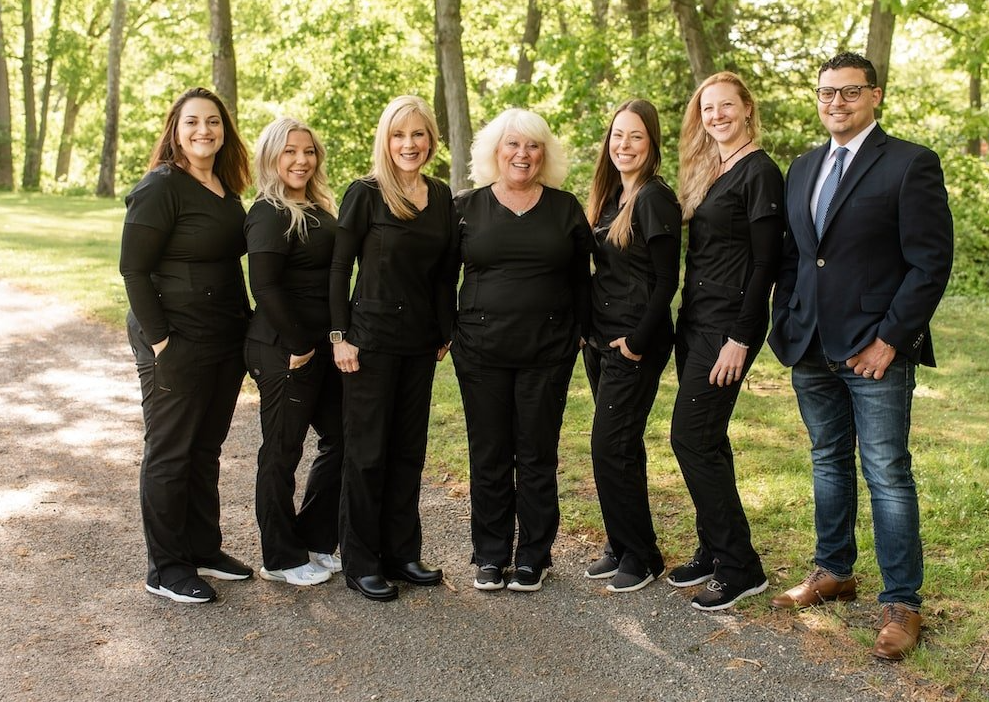
Dr. Sherif Gabr, DDS
Hello there! I am Sherif Gabr, and I will be your dentist at Modern Dentistry of New England. At Modern Dentistry of New England, we take pride in making everyone in our practice feel welcomed, valued and respected. When you become a patient at Modern Dentistry of New England, you are not joining a dental practice but also becoming part of our extended family.